
FSC project scope
Certified supply-chain scope, material availability and trademark-use requirements are confirmed for the exact order before the mark goes into artwork.
Sustainable paper packaging
We review paper source, material use, structure, plastic layers and shipping efficiency with you — then confirm which environmental claims the final specification can actually support.
Sustainability priorities
Protection, compliance and freight still come first. The options below are compared inside those constraints, not instead of them.
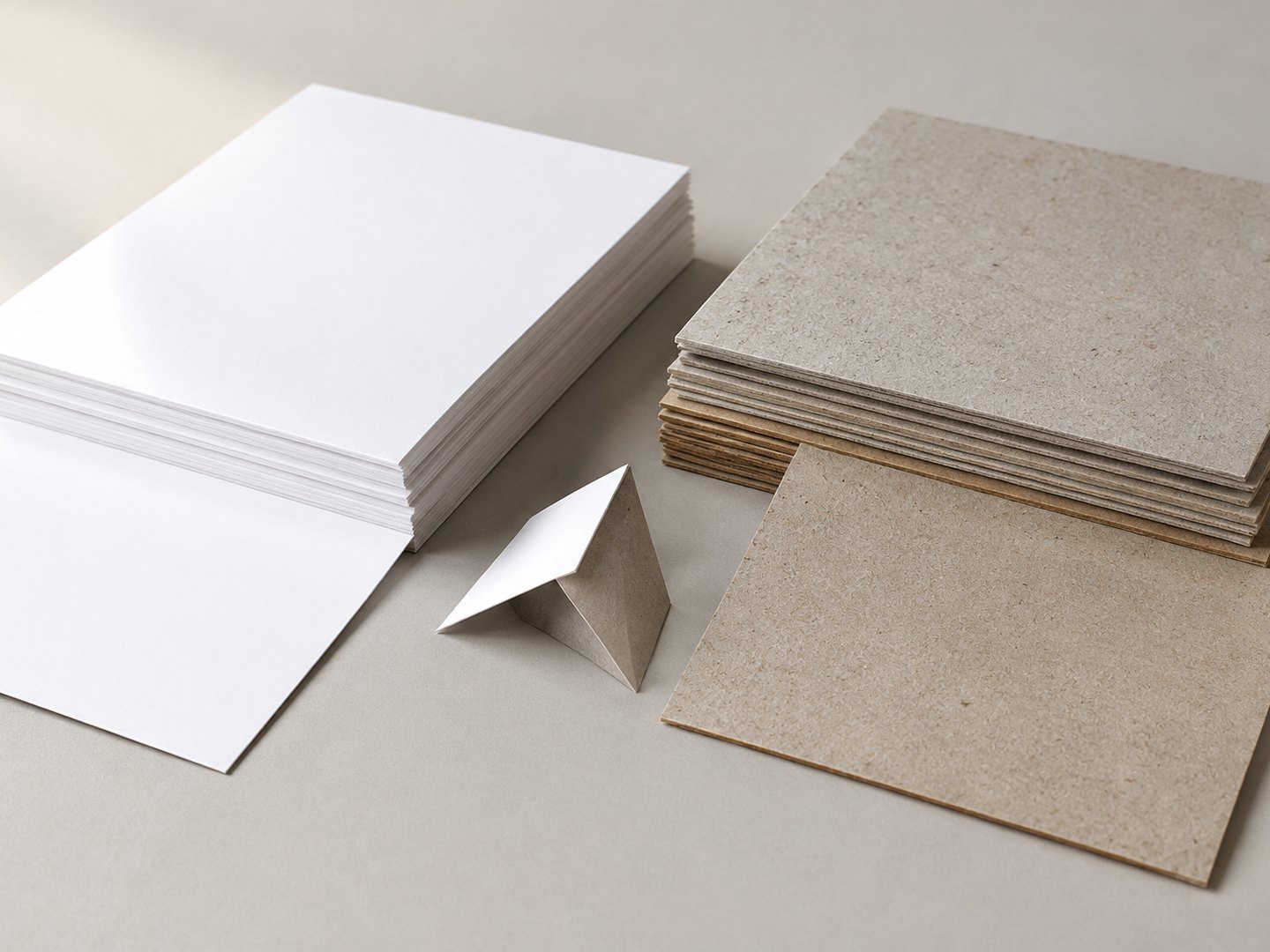
FSC-certified board on request, plus recycled greyboard and kraft where the grade suits the print. The certificate follows the paper lot, so it is decided before the run.
Right-sized panels, liners and inserts — not thinner board that dents in transit. The saving comes from removing space, not from removing protection.
Simpler, separable construction where performance allows: one material per component, so a customer can pull it apart without guessing.

Plastic reduction
Recyclability depends on the whole construction and on local collection — not on one paper component.
A single plastic window can decide whether a carton is accepted in a paper stream. Removing it is a structural question before it is a printing one.
Efficient packing & shipping
Right-sizing changes more than material use: master carton count, pallet height, freight volume and damage risk all move with it.
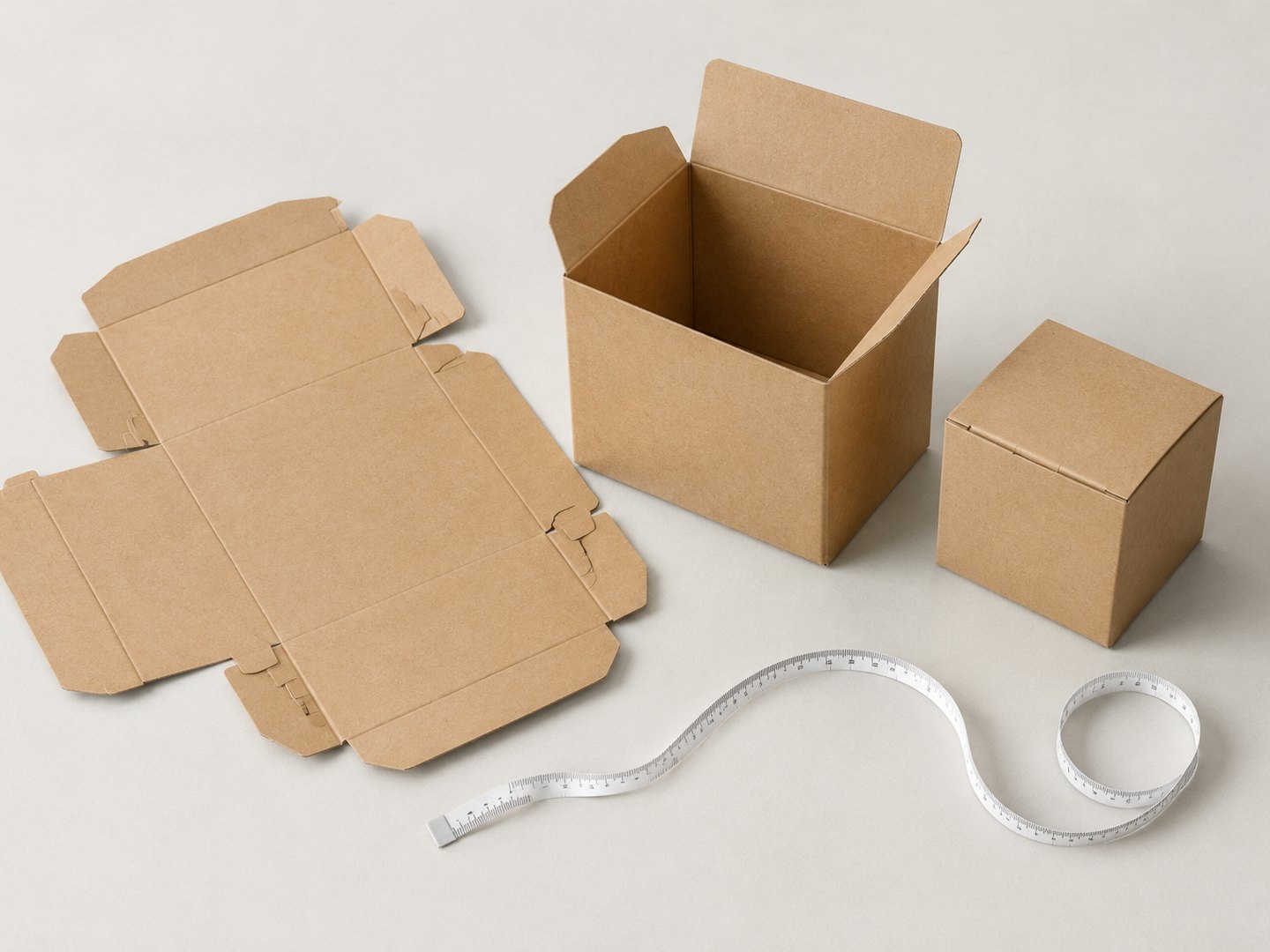
Match internal space to the product and the protection it needs. Fewer millimetres of air means fewer cartons on the pallet.
Folding cartons, bags and mailers travel flat. Collapsible magnetic boxes fold flat too — the one rigid structure that does.
A fitted paperboard or moulded-pulp cradle replaces loose fill, and it protects better because nothing shifts.
Unit orientation, pieces per carton and the shipping route are checked before the structure is locked, not after the first pallet.
Inks, coatings & adhesives
Availability and compatibility change with print process, substrate, food-contact position and destination. Nothing here is a menu to order from.
| Option to review | Potential role | What must be confirmed |
|---|---|---|
| Aqueous coating | Surface protection without a plastic film | Rub, moisture and appearance performance on your board |
| Water-based adhesive | Paper-to-paper assembly | Packed weight, temperature and storage conditions |
| Vegetable-oil based ink | Offset jobs where the press and colour allow | Colour target, availability and compliance scope |
| Film-free finish | Reduce or avoid lamination | The protection and appearance the product actually needs |
| Windowless construction | Remove PET or PLA film entirely | Whether the product must be seen before purchase |
Do not copy an environmental claim from an option list. Confirm it against the final material, ink, coating, adhesive, window and construction.

Paper bags & accessories
Bags, tissue, sleeves and labels can add materials even when the box itself is paper-based.
Handles, reinforcements, tissue, labels and closures reviewed alongside the box, so the set is one material story rather than three.
Remove decorative layers that add no protection, avoid permanent mixed-material assemblies, and keep components easy to separate.
The material, barrier and structure the product needs through storage, delivery and the customer’s first use. Nothing is removed to win a claim.
Certification & documents
Scope, issuing body, material and validity are checked before a claim is printed — because a certificate is only useful if it covers the thing you are selling.
Certified supply-chain scope, material availability and trademark-use requirements are confirmed for the exact order before the mark goes into artwork.
Direct versus indirect contact is defined first, then the material. Only then can FDA- or LFGB-related coverage be confirmed for the pack.
Market, material and requested test scope are reviewed before REACH or other project documents are promised.
Environmental claims explained
Recyclable
Depends on the whole construction and on local collection — not on the paper component alone.
Recycled content
Only the percentage and material scope that can be evidenced on the board invoice.
Biodegradable
Needs defined conditions, a timeframe and evidence. Not a synonym for paper.
Compostable
Needs an applicable standard and defined conditions — home and industrial are not the same.
Plastic-free
Review the coating, window, adhesive and accessories before using the phrase.
Renewable
Describes where the material came from, not what happens at end of life.
No. Lamination, windows, foil, adhesive, food contamination and local collection rules all change the answer. The construction decides it, not the word “paper”.
Only where the chain of custody, the approved material and the label-approval process support that exact order. We do not print a certification mark we cannot document.
Shade, specks, stiffness and surface differ by grade. Recycled prints well in solid colour and less predictably in fine gradients — which is why we sample it rather than describe it.
For folding cartons and mailers, usually. A magnetic rigid box is the exception: the closure needs a metal element. Windows, coatings and tapes are reviewed first, then confirmed in writing.
The product, structure, destination, compliance requirements, packed weight, current materials, barrier needs — and the claim you intend to make. The claim is the last thing confirmed, not the first.
Get a packaging quote
We will name the material or structural changes that are practical, and the documents that have to be confirmed before production starts.